
Tiranga
To access your Tiranga Game account, click the Login button if you already have an account and enter your registered mobile number or username along with your password. If you’re a new user, click the Register button and complete the sign-up process by providing the required details. Once your account is created, you can log in securely and access your dashboard, profile settings, and other available features.
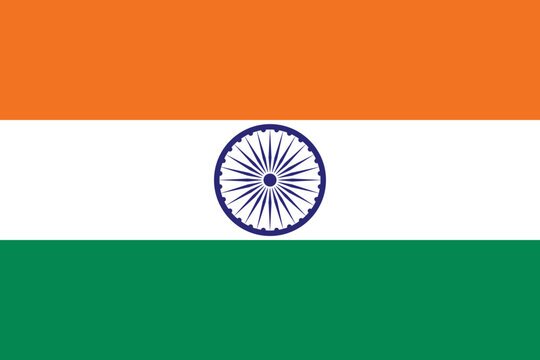
Quick Facts About the Indian Flag
| Feature | Details |
|---|---|
| Official Name | Indian National Flag |
| Popular Name | Tiranga |
| Adopted On | 22 July 1947 |
| First Hoisted | 15 August 1947 |
| Designer | Pingali Venkayya |
| Ratio | 2:3 |
| Colors | Saffron, White, Green |
| Center Symbol | Ashoka Chakra |
| Chakra Color | Navy Blue |
| Number of Spokes | 24 |
| Material | Cotton, Polyester, Wool, Silk (as permitted under Flag Code) |
| Governing Rules | Flag Code of India 2002 |
Why Is It Called Tiranga?
The word Tiranga comes from Hindi.
- Tri = Three
- Ranga = Colors
Therefore, Tiranga means “Three-Colored Flag.”
The three colors symbolize different ideals that define India’s national identity.
History of the Indian National Flag
The Indian flag evolved over several decades before taking its present form.
During India’s struggle for independence, many versions of the national flag were proposed. These designs reflected the aspirations of the freedom movement.
Finally, on 22 July 1947, the Constituent Assembly officially adopted the present design of the Indian National Flag.
Evolution of the Indian Flag
1906 – First National Flag
The earliest known version was hoisted in Kolkata.
Features:
- Green, Yellow and Red stripes
- Eight lotus flowers
- Sun and moon symbols
- “Vande Mataram” written in the center
1907 Flag
Madame Bhikaji Cama unfurled another version in Germany during an international conference to promote India’s freedom struggle.
1917 Flag
Used during the Home Rule Movement.
Included:
- Union Jack
- Seven stars
- Crescent moon
- Star
1921 Flag
Designed by Pingali Venkayya.
Initially included:
- Red
- Green
- White
- Spinning wheel (Charkha)
1931 Flag
A major milestone.
Colors became:
- Saffron
- White
- Green
The spinning wheel remained at the center.
This design became the basis of today’s flag.
1947 Present Flag
On 22 July 1947, the spinning wheel was replaced by the Ashoka Chakra.
This became the official national flag of independent India.
Who Designed the Indian Flag?
The national flag was designed by Pingali Venkayya, a freedom fighter and agriculturist from Andhra Pradesh.
He spent years studying different flag designs before presenting his concept to Mahatma Gandhi.
Later, the Constituent Assembly adopted the modified version with the Ashoka Chakra.
Meaning of the Three Colors
Saffron (Top)
Represents:
- Courage
- Sacrifice
- Strength
- Selflessness
It reminds leaders to work without selfish interests.
White (Middle)
Represents:
- Truth
- Peace
- Honesty
- Transparency
It symbolizes ethical governance and harmony.
Green (Bottom)
Represents:
- Prosperity
- Agriculture
- Fertility
- Growth
- Faith
Green reflects India’s rich agricultural heritage.
Meaning of the Ashoka Chakra
The Ashoka Chakra is placed in the center of the white band.
It is inspired by the Lion Capital of Ashoka at Sarnath.
Features
| Feature | Value |
|---|---|
| Color | Navy Blue |
| Spokes | 24 |
| Shape | Wheel |
| Origin | Ashoka Pillar |
What Do the 24 Spokes Mean?
The spokes represent continuous movement and righteous living.
Common interpretations include values such as:
- Love
- Courage
- Patience
- Peace
- Faith
- Goodness
- Self-control
- Selflessness
- Justice
- Mercy
- Hope
- Wisdom
- Moral Values
- Prosperity
- Harmony
- Duty
- Equality
- Unity
- Truth
- Discipline
- Integrity
- Responsibility
- Service
- Progress
The wheel also symbolizes that life should always move forward.
Official Dimensions
The Indian flag follows a 2:3 ratio.
Example dimensions:
| Width | Length |
|---|---|
| 600 mm | 900 mm |
| 900 mm | 1350 mm |
| 1200 mm | 1800 mm |
| 1500 mm | 2250 mm |
| 1800 mm | 2700 mm |
Color Specifications
| Color | Meaning |
|---|---|
| India Saffron | Courage |
| White | Peace |
| India Green | Prosperity |
| Navy Blue | Dharma |
Flag Code of India
The Flag Code of India governs how the national flag should be displayed and respected.
Key rules include:
- The flag should always be treated with dignity.
- It should not touch the ground.
- It should not be used as clothing below the waist, a cushion, or a drape.
- Damaged or soiled flags should be disposed of respectfully.
- When displayed vertically, the saffron band should be on the viewer’s left (the flag’s own right).
Can Every Citizen Hoist the Flag?
Yes.
Following amendments to the Flag Code, every Indian citizen can hoist the national flag, provided it is displayed respectfully and according to the applicable rules.
The Har Ghar Tiranga campaign further encouraged citizens to display the flag during Independence Day celebrations.
Correct Way to Hoist the Tiranga
Always ensure:
✔ Saffron is at the top.
✔ Flag is clean.
✔ Flag is undamaged.
✔ Flag is respected.
✔ It is displayed properly.
Common Mistakes to Avoid
Never:
- Place the flag upside down.
- Let it touch the ground.
- Use it as decoration on the floor.
- Write on the flag.
- Tear or damage it intentionally.
- Use it as disposable party decoration.
Importance of the Tiranga
The Indian flag symbolizes:
- National unity
- Freedom
- Democracy
- Independence
- Sacrifice of freedom fighters
- Constitutional values
- Pride and patriotism
For millions of Indians, the Tiranga represents the country’s journey from colonial rule to becoming the world’s largest democracy.
Tiranga During Independence
On 15 August 1947, India’s first Prime Minister, Jawaharlal Nehru, hoisted the national flag after India achieved independence.
Since then, the flag has become the centerpiece of Independence Day and Republic Day celebrations.
Tiranga in National Celebrations
The flag is prominently displayed during:
- Independence Day
- Republic Day
- Gandhi Jayanti
- National events
- Government ceremonies
- Sports victories
- International conferences
- Military parades
Interesting Facts About the Indian Flag
- The present flag was adopted on 22 July 1947.
- The Ashoka Chakra replaced the spinning wheel (Charkha).
- The wheel has 24 spokes.
- The ratio is 2:3.
- The Tiranga represents unity in diversity.
- The flag is one of India’s official national symbols.
- The colors are arranged horizontally.
- The Ashoka Chakra symbolizes movement and justice.
Timeline
| Year | Event |
|---|---|
| 1906 | First unofficial national flag |
| 1907 | Bhikaji Cama unfurled flag abroad |
| 1917 | Home Rule flag introduced |
| 1921 | Pingali Venkayya proposed a new design |
| 1931 | Tricolor adopted with Charkha |
| 1947 | Present Tiranga officially adopted |
| 2002 | Flag Code expanded citizens’ rights to display the flag |
| 2022 | Har Ghar Tiranga campaign launched nationwide |
Why the Tiranga Inspires Every Indian
The Indian flag is more than a piece of fabric. It represents the sacrifices made by countless freedom fighters, the values of the Constitution, and the hopes of a diverse nation. Whether flying over government buildings, schools, homes, or at international sporting events, the Tiranga serves as a reminder of India’s unity, resilience, and commitment to democracy.
Frequently Asked Questions
When was the Indian National Flag adopted?
The current Indian National Flag was officially adopted on 22 July 1947.
Who designed the Indian Flag?
The flag was designed by Pingali Venkayya.
Why is it called Tiranga?
Because it has three horizontal colors—saffron, white, and green.
How many spokes are there in the Ashoka Chakra?
There are 24 spokes.
What is the ratio of the Indian Flag?
The official proportion is 2:3.
What does saffron represent?
It symbolizes courage, sacrifice, and selflessness.
What does white represent?
It stands for truth, peace, and honesty.
What does green represent?
It represents prosperity, growth, fertility, and faith.
What does the Ashoka Chakra symbolize?
It symbolizes dharma (righteousness), justice, progress, and continuous movement.
Can citizens hoist the national flag?
Yes. Citizens may display the flag while following the Flag Code of India and treating it with respect.
Conclusion
The Indian National Flag (Tiranga) is one of the most cherished symbols of the Republic of India. Every element of the flag—the saffron, white, green, and the Ashoka Chakra—reflects the nation’s ideals of courage, peace, prosperity, justice, and progress. Understanding its history and significance helps us appreciate the sacrifices that led to India’s independence and reinforces the responsibility of every citizen to uphold the dignity of the Tiranga.